Book Psychology
Too Much Imagination Is Injurious to Health: About Maladaptive Daydreaming Disorder
Exploring the fine line between healthy escapism and compulsive fantasy through the lens of Tag, You're Dead.
Exploring the fine line between healthy escapism and compulsive fantasy through the lens of Tag, You're Dead.
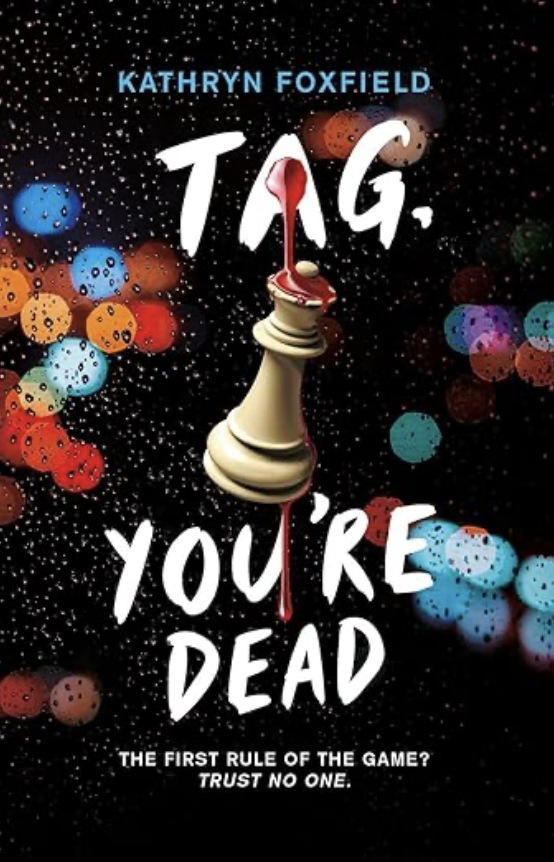
One might think maladaptive daydreaming disorder is simply imagining yourself saving the world before you drift off to sleep, which isn't entirely wrong. It isn't entirely true, either.
Most of us daydream. We craft quiet little universes in our heads, escaping boring lectures or long walks to nowhere. We imagine love stories, heroic quests, and moments where we matter more than we do now. It is a private cinema of the mind, a soft distraction that makes the day feel lighter.
These mental wanderings are not only normal but sometimes even good for us. Psychologists call them a form of dissociation, a kind of healthy mind-wandering that sparks creativity, self-reflection, and relief.
But what happens when that relief becomes a craving? What happens when your dream world becomes more real to you than the one you live in?
In 2002, psychologist Eli Somer gave this behavior a name. Maladaptive daydreaming describes vivid, compulsive fantasies that are so absorbing they interfere with everyday life. It's not just about zoning out once in a while; it's about constructing entire realities in your mind that are so detailed and rewarding they begin to replace the life you are actually living.
Many people with this experience report ongoing sagas in their heads, complete with recurring characters and rich storylines. Some even create imagined cities and soundtracks. Over time, the fantasy becomes less of a break and more of a dependency.
Charlotte, one of the contestants in Kathryn Foxfield's thriller Tag, You're Dead, is the perfect example.
The novel begins with a city-wide game of tag. The organizer is Anton Frazer, a social media icon with the charm of a celebrity and the cruelty of a puppet master. He offers players one prize: survive the game, and you get to ask him anything.
What begins as entertainment quickly turns dark. The players are strangers, their locations are public, and there is no way out once the game begins. Fear spreads. The city becomes a map of danger.
Charlotte joins not just for the prize; she joins because Frazer is her obsession.
Charlotte is consumed by Frazer. She follows him with the intensity of someone who no longer sees him as a person but as the answer to everything.
In her head, Frazer is not only a game host but also her fairy tale. As the game grows more dangerous, Charlotte does not adapt. While others fight, flee, or form alliances, Charlotte falls deeper into her own fantasies. Whenever she is threatened, she does not think about escape but instead daydreams of Frazer saving her.
Her imagined romance becomes her shield, but it is not made of steel; it is made of stories.
Charlotte's behavior reflects the signs of maladaptive daydreaming in exact detail.
While the disorder is not officially recognized in diagnostic manuals, researchers from several countries have studied it through personal interviews, self-assessment tools, and brain activity. People with maladaptive daydreaming do not believe their fantasies are real. However, they return to these fantasies constantly because they are pleasurable, predictable, and emotionally safe.
These fantasies often begin as a way to cope with something difficult. Sometimes it is trauma; sometimes it is loneliness. Like Charlotte, many become trapped. The longer they live in their minds, the more fragile they become in the real world.
One tool psychologists use is called the Maladaptive Daydreaming Scale. It measures how immersive a person's fantasy life is, how much time they spend in it, and how much it impacts their functioning.
People with this condition often describe it as an addiction. There are stories of individuals who lose hours, sometimes entire days, imagining alternate lives while ignoring school, work, relationships, and even hunger.
Charlotte lives in this state, where she is not unaware of reality but rather prefers the one she fabricated herself.
There is no official treatment for maladaptive daydreaming. Some therapists suggest addressing underlying mental health issues like anxiety, OCD, or trauma. In a few cases, medication has helped people control the urge to retreat into fantasy.
But mostly, those who suffer are left in between. It's a medium where they are not ill enough to be diagnosed yet simultaneously not free either.
They exist on the border between dream and reality, shifting and balancing.
Charlotte's tale is neither about love nor bravery. It delves into the slow, silent danger of imagination when it becomes a way to avoid living.
In Charlotte's eyes, Frazer is her future. In his eyes, Charlotte is just another player. She loves a man who does not know her name and runs toward a dream that cannot hold her.
And as the game continues, the more she clings to her imagined romance, the more blind she becomes to the world falling apart around her.
We all daydream; we all write little stories in our minds to make the day easier to bear.
But dreams, if fed too often, grow teeth.
Charlotte's mind gave her comfort, then distance, and eventually gave her danger.
Imagination is beautiful. But when it whispers too often, when it offers too much, you must ask yourself one question: At what point does your dream stop saving you and start devouring you?