Marketing Psychology
More Than A Brand: The Psychology Behind Rhode's Marketing
Exploring how Rhode mastered the art of selling ritual, identity, and emotion through strategic psychological marketing.
Exploring how Rhode mastered the art of selling ritual, identity, and emotion through strategic psychological marketing.
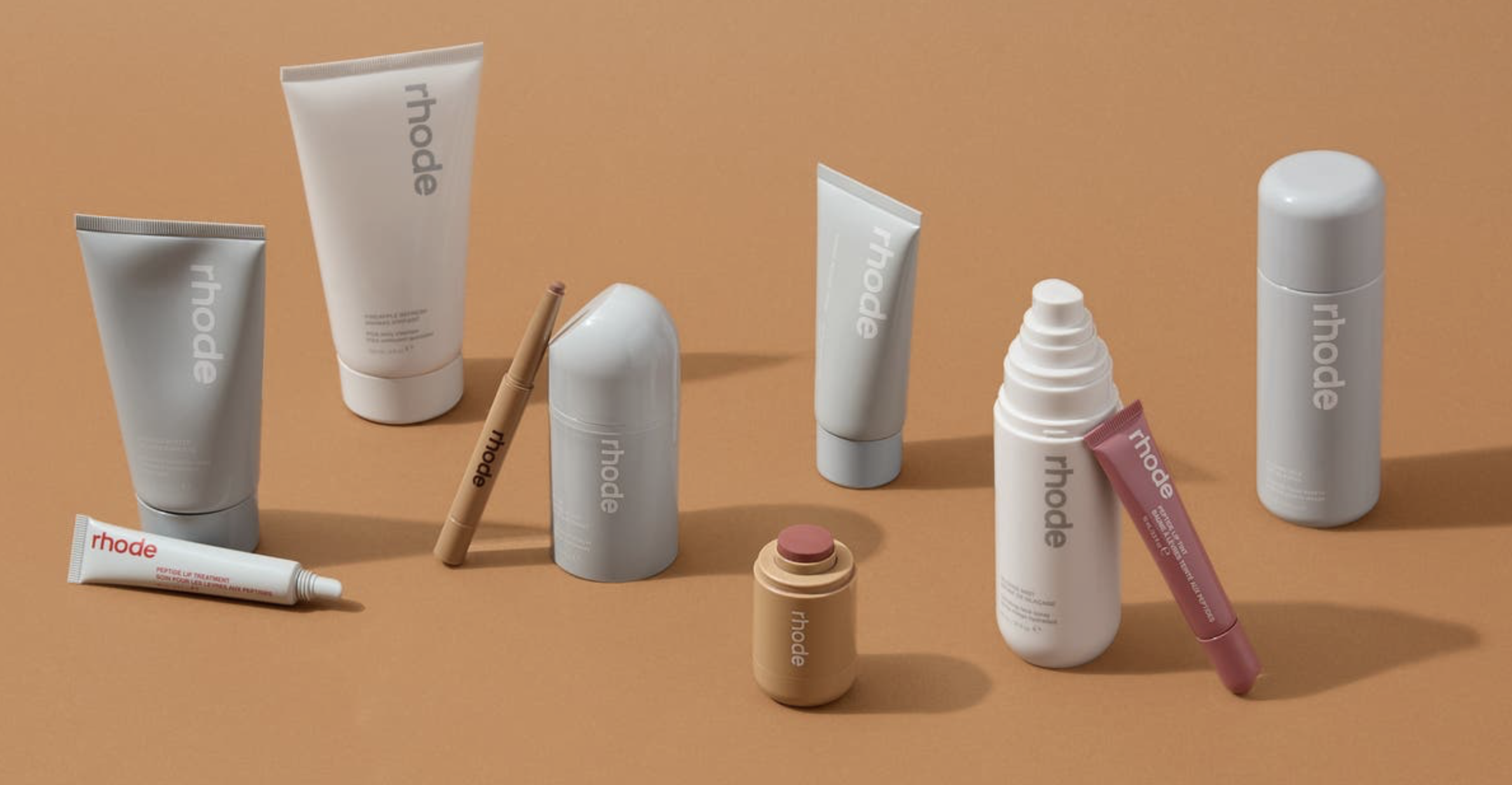
In a world driven by capitalism, overconsumption, and celebrity-led product lines, it's easy to become desensitized to new beauty brands. Many launch, but few stick.
Rhode, founded by model and entrepreneur Hailey Bieber in 2022, has broken through the noise and risen to popularity. Based in Los Angeles, Rhode began with just three products and has quickly evolved into a highly curated line of skincare staples, including facial items, makeup, and more.
But the real genius of Rhode isn't just in the products or the faces behind the brand. Rather, it's in the psychology behind them. Rhode has mastered the art of inviting consumers to not only feel something but want to feel it again. The brand is a case study in how to sell ritual, identity, and emotion—not just research-based ingredients good for your skin.
Little Treat Culture is more than just a TikTok trend—it's a deeply ingrained psychological loop. It refers to the small, affordable indulgences we buy for a quick hit of dopamine: a candy bar at checkout, a latte during errands, or a $16 Rhode lip gloss.
Why are we so susceptible to "little treat culture"? That peptide lip tint isn't just a beauty product—it's a self-care token, a dopamine hit disguised as skincare. This taps directly into dopamine reward loops; every swipe of gloss becomes a ritual reward. Over time, Rhode's products become less about appearance and more about feeling good, again and again.
Rhode is renowned for naming and scenting their products after desserts or fruits. "Milk" was the first, followed by "Watermelon," "Birthday Cake," "Salted Caramel," and more. The goal was to appeal to all five human senses, supported by visuals and pop-ups.
Think about it: a picture of Hailey Bieber's skin that closely resembles "glazed donuts," paired with a Lip Treatment inspired by Krispy Kreme's Strawberry Glazed Donuts—and you've already added the item to your cart.
This is often referred to as sensory marketing or psychological anchoring. Rhode establishes mental anchors by forging powerful sensory associations—and what better way to do it than with sugary foods? Your brain naturally begins to crave the sensation of the texture, flavor, and color over and over again.
The equation is simple: dessert = indulgence = craving. By linking product textures and names to familiar cravings, Rhode creates mental anchors. Our brain associates the gloss's silky texture and sugary scent with satisfaction, making us crave not just the product but the experience.
For example, the Krispy Kreme-inspired lip treatment or the now-iconic image of Hailey Bieber's skin glowing like a "glazed donut"—these aren't just marketing images. They're desire cues: visual, tactile, and irresistible.
Rhode sells a feeling: clean, feminine, soft, minimal, and curated. The textures are plush, the colors are muted, and the packaging is ultra-minimalist.
This ties directly into emotional branding—the art of selling identity over ingredients. The brand rarely spotlights formulas or active ingredients. Instead, it offers evocative language like "hydrating" and "dewy." Rhode is less about technical function and more about embodying a mood. Using it feels like living a Pinterest "clean girl" lifestyle mood board.
Glazed lips paired with melting ice cubes. Dewy skin surrounded by marshmallows. Rhode's visual language is more than aesthetic—it's psychologically satisfying. These aren't coincidences; they're designed to activate mirror neurons.
When viewers see indulgent, sensual textures, their brains begin to imagine how those things would feel on their own skin. These visuals interrupt the scroll, spark curiosity, and trigger desire. They're not ads—they're cravings in disguise that you didn't even have on your to-do list.
Only a genius could name lip shapes after literal shaping exercises: "Flex," "Spin," "Stretch," "Balance." These names go beyond beauty jargon; they evoke movement, discipline, and intentional living. You're not just lining your lips—you're metaphorically stretching into a more balanced, aligned version of yourself.
Each product becomes a symbol of self-improvement, not merely a lip tint. The concept cleverly borrows the language and visual cues of fitness and wellness culture, blurring the lines between outer beauty and inner well-being.
"By connecting skincare to mindfulness and embodied living, Rhode turns a lip product into a ritual of self-alignment—a beautifully packaged reminder that 'less harm and more shape' applies to both skin and self."
"That's my baby, she's iconic, iPhone case, lip gloss on it."
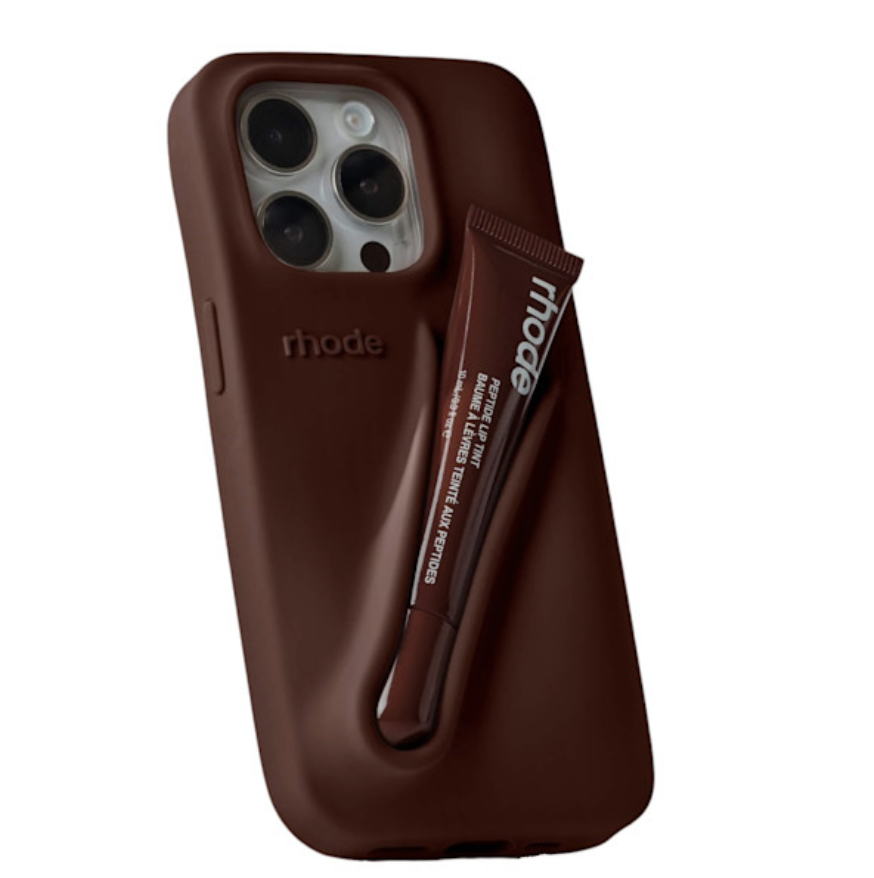
What's more convenient than lip gloss? A lip gloss attached to your phone case. Enter Rhode's LipCase—a perfect example of behavioral design.
By embedding the product into your daily routine—right there with your phone—Rhode turns skincare into muscle memory. It's no longer something you apply if you remember; it becomes something you apply without thinking. It's the ultimate nudge: less of a treat, more of a necessity.
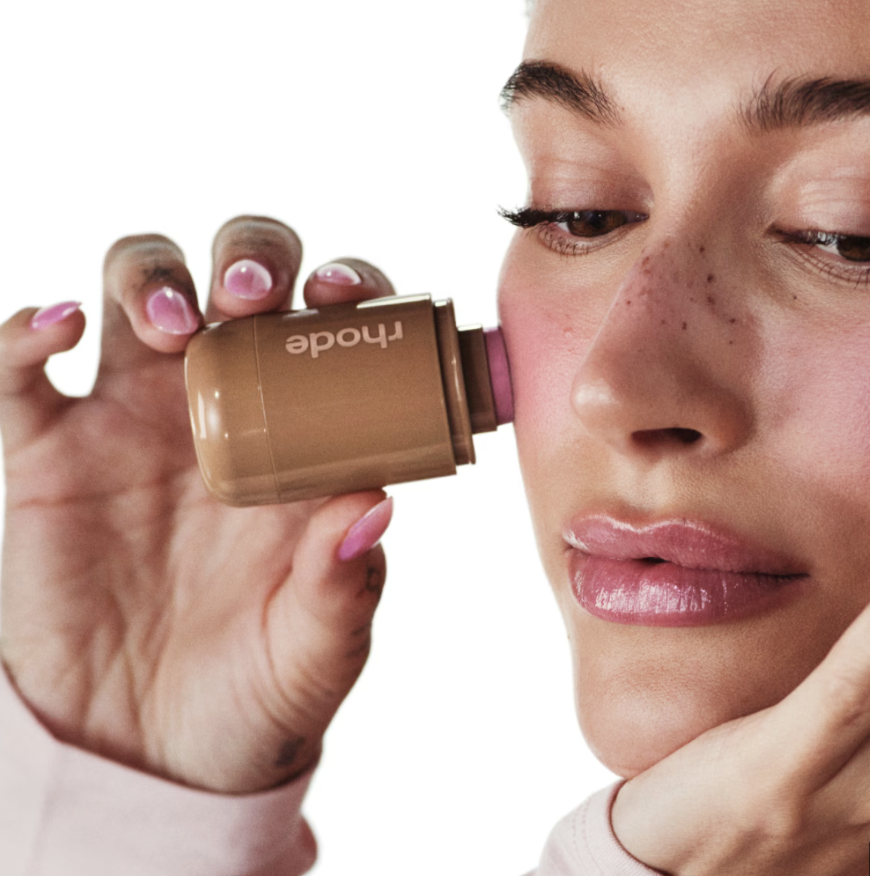
The Pocket Blushes are a natural extension of Rhode's DNA: essential convenience. Just at the reach of your hand, no need for a beauty blender or brush.
Rhode's success lies not in celebrity hype or trend-chasing but in its emotional intelligence. Every product, name, scent, texture, and visual cue is crafted to deliver not just function but feeling. It taps into your craving for care, control, and beauty in the most minimal, polished, and ritualistic way.
Rhode isn't selling skincare. It's selling who you become when you use it.