TV Psychology
The Fragile Heart of Cassie Howard: Dependent Personality Disorder
A psychological dive into dependency, love, and the hunger to be seen.
A psychological dive into dependency, love, and the hunger to be seen.

Cassie Howard, from HBO's Euphoria, is one of the most heartbreaking portraits of a young woman caught in the tides of emotional dependency. Beneath her glittering exterior and her famous 4 a.m. beauty routine lies a deep psychological struggle that reflects one of the most misunderstood conditions in clinical psychology: Dependent Personality Disorder (DPD).
Her obsession with Nate Jacobs, an abusive and controlling figure, is not simply a case of teenage love gone wrong but a window into the complex dynamics of psychological dependency.

Dependent Personality Disorder is classified within Cluster C of the personality disorders in the Diagnostic and Statistical Manual of Mental Disorders, Fifth Edition (DSM-5). It is defined by an excessive psychological dependence on others for emotional and decision-making support. Those who live with this disorder often fear being alone, feel helpless when separated from loved ones, and may go to extreme lengths to maintain closeness—even when it means tolerating abuse or neglect.
Psychologists describe DPD as an attachment gone awry. Early childhood experiences, particularly those involving inconsistent parenting, abandonment, or neglect, often shape a person's internal working model of love. For Cassie, her absent father and her constant yearning for affection have created a psychological blueprint that ties love to pain.
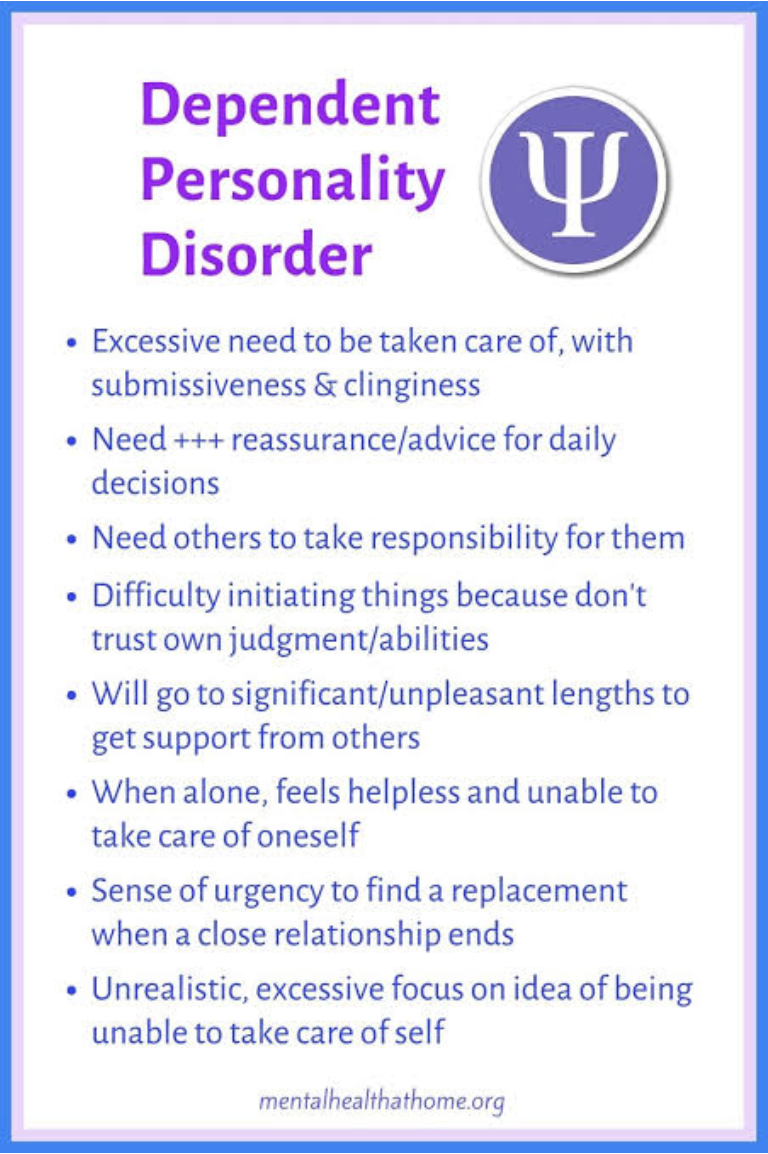
Cassie's desperate devotion to Nate reflects the core of DPD: a need to be loved at any cost. Her meticulous beauty routine, which begins before dawn, can be seen as ritualistic behavior aimed at securing affection. It is an external performance of inner anxiety. Each curl, each stroke of eyeliner, is a form of psychological bargaining—if she can be perfect, she will be loved.
Freudian theory offers a lens through which to understand Cassie's attachment patterns. Freud wrote extensively about the repetition compulsion—the unconscious drive to recreate early emotional traumas in adult relationships in an attempt to resolve them. Cassie's fixation on Nate can thus be seen as an unconscious attempt to heal the original wound left by her father's absence. Yet the cycle only deepens her pain.
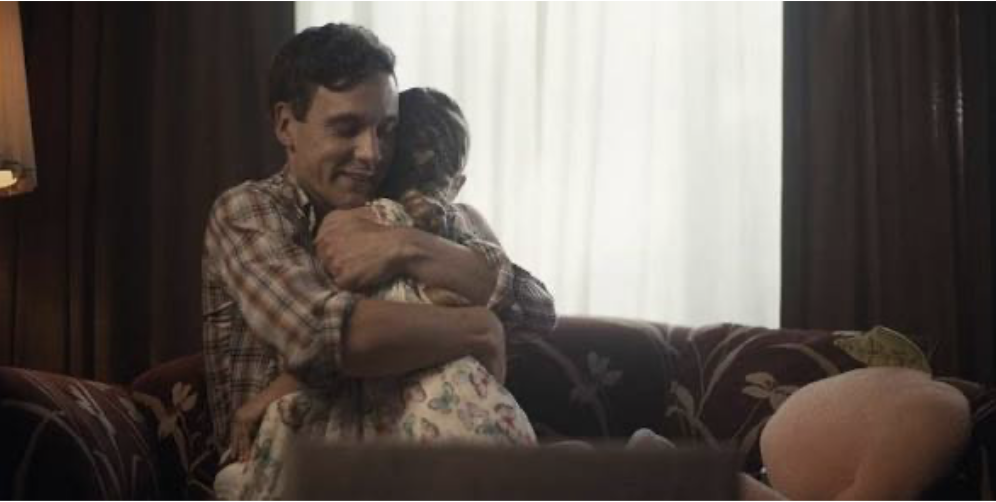
Cassie's "daddy issues," often trivialized in popular culture, are in fact a deeply psychological phenomenon. Attachment theory, pioneered by John Bowlby and expanded by Mary Ainsworth, teaches us that early bonds with caregivers shape our capacity to trust and form secure relationships later in life. Cassie's father's abandonment disrupted her sense of safety. Her later sexualization and need for validation from men became strategies to fill that void.
The oversexualization of Cassie from a young age intersects with the concept of objectification in psychology, where self-worth becomes tied to physical appearance and external approval. This psychological conditioning can feed the development of DPD, as individuals begin to believe their only value lies in pleasing others.
Dependent Personality Disorder does not always present as dramatic or dangerous. Often, it hides behind sweetness, compliance, and a fear of conflict. Individuals may feel unable to make decisions without reassurance, may avoid disagreements to keep the peace, and may prioritize the needs of others to a self-destructive degree.
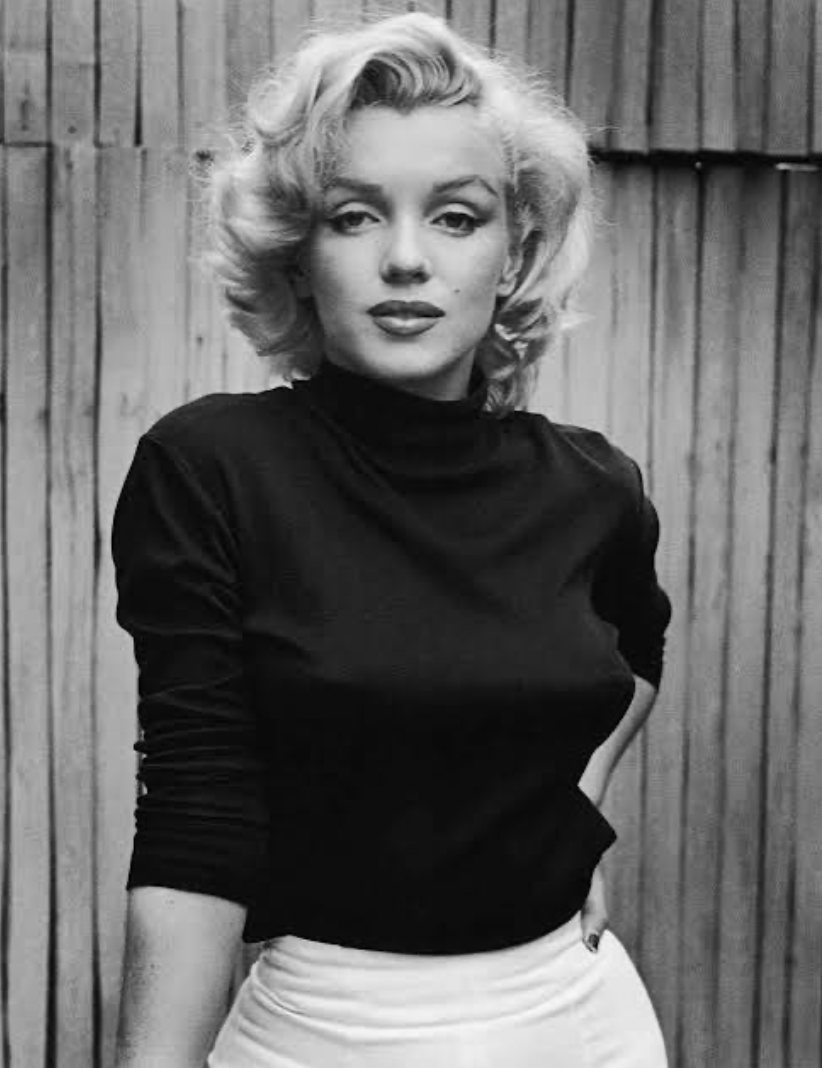
Famous figures throughout history have exhibited patterns of dependency. Some psychologists have speculated that Marilyn Monroe displayed traits of dependency due to her tumultuous childhood and deep need for validation through love and admiration. Like Cassie, Monroe's beauty and charm masked a fragile sense of self that relied heavily on the approval of others.
Dependent Personality Disorder isn't always limited to an obsession with people. It can also manifest as dependency on non-living things such as drugs, alcohol, and other coping mechanisms. Addiction and Dependent Personality Disorder often co-occur in a dual diagnosis.

What makes Cassie's story so haunting is how relatable it is. Many people with DPD are not aware of their disorder. They interpret their dependency as devotion, their fear of being alone as love. They confuse submission for loyalty. In abusive relationships like Cassie and Nate's, the dependent partner often internalizes the abuse as their fault, reinforcing feelings of helplessness and unworthiness.
Clinically, this relationship dynamic can resemble a trauma bond, where intermittent reinforcement of affection and punishment keeps the dependent partner emotionally tethered. In Cassie's case, every cruel remark or act of control from Nate only deepens her desire to win him back, as her self-worth is entirely contingent on his approval.
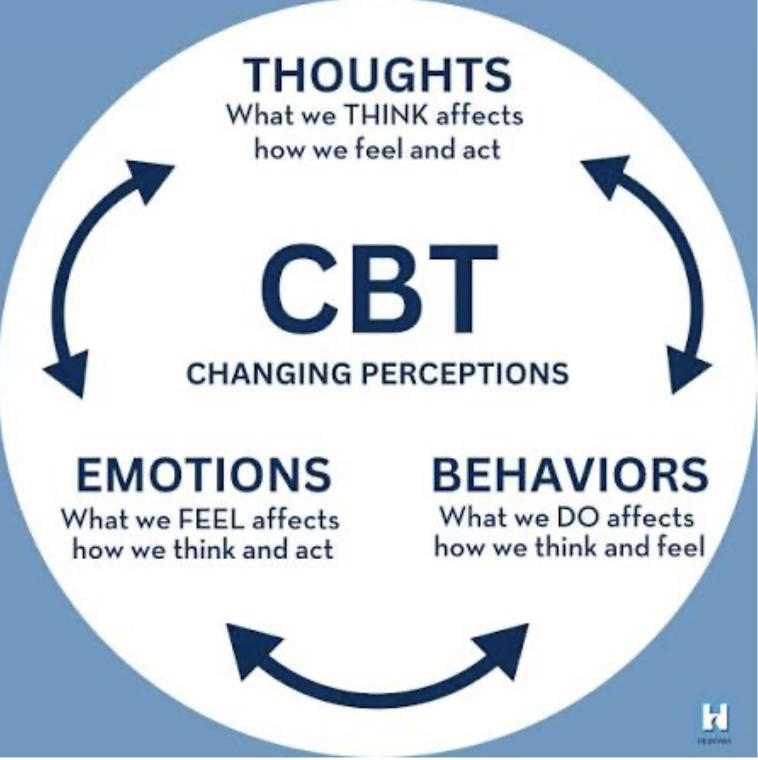
Treatment for DPD focuses on helping individuals develop autonomy and self-efficacy. Psychodynamic therapy explores the origins of dependency, helping clients understand how early attachment wounds shape current behavior. Cognitive Behavioral Therapy (CBT) works to replace self-defeating beliefs such as "I cannot live without them" with empowering truths.
Group therapy and assertiveness training can also help individuals learn to express needs without fear of abandonment. Healing requires learning that love is not earned through perfection or submission but through authenticity and self-respect.

Dependent Personality Disorder often coexists with other psychological conditions such as anxiety disorders, depression, and borderline personality disorder. Cassie exhibits traits that overlap with borderline tendencies: intense fear of abandonment, unstable self-image, and emotional volatility. The intersection of these disorders creates a complex emotional landscape—one that is not easily untangled but deeply human.
Cassie's story serves as a cautionary reflection on what happens when love becomes dependence and validation becomes addiction. Yet it also opens a conversation about empathy. People like Cassie are not weak; they are survivors of emotional neglect who have learned to love in ways that once protected them.
"Understanding the psychology of dependency allows us to see beyond the drama of Euphoria and into the human heart's most tender fear—the fear of being unloved. To heal it, one must learn to find worth not in another's gaze but in the quiet acceptance of one's own reflection."