TV Psychology
Why She Stays: The Psychology of Abuse in Maid
Exploring trauma bonding, financial control, and the psychological forces that trap survivors of domestic abuse.
Exploring trauma bonding, financial control, and the psychological forces that trap survivors of domestic abuse.
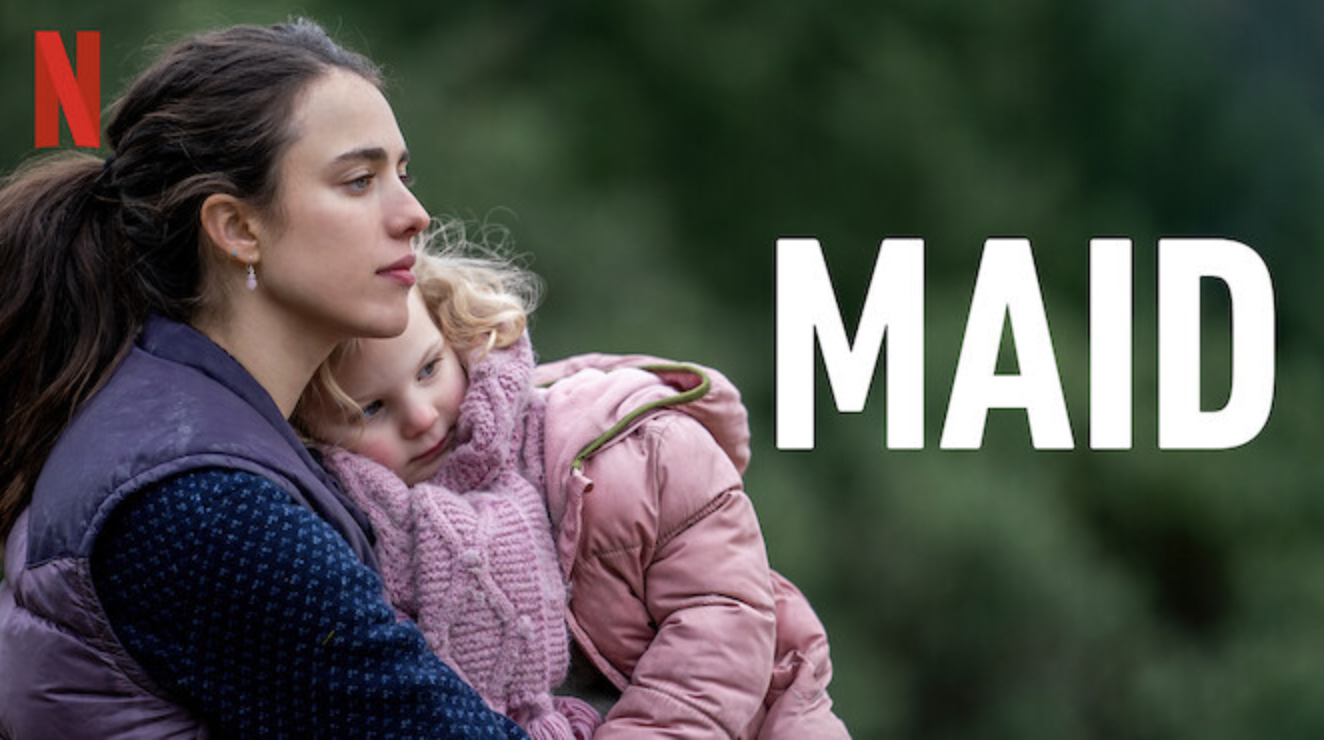
In Netflix's Maid, we follow Alex Russell, a young mother fleeing emotional and psychological abuse while trying to build a better life for her daughter, Maddy. At first glance, viewers may wonder: Why does she return to her abuser? Why is leaving so difficult? These are not uncommon questions about domestic violence.
Domestic abuse is not only physical. It is psychological, economic, and emotional. Maid deftly portrays the quiet horrors many survivors endure. Beneath the surface of Alex's choices lies a web of psychological phenomena—trauma bonding, financial control, fear, and distorted thinking—that shape her every move.
This article explores those forces.
Psychologist Lenore Walker identified a recurring pattern in abusive relationships consisting of four phases:
In Maid, Sean, Maddy's father, controls Alex and then later acts remorseful or affectionate. At one point, he slams a glass against a wall, resulting in shards of glass ending up in baby Maddy's hair. However, he then apologizes, and the calm lulls Alex into believing it's safe again.
This cycle doesn't just trap her physically. It conditions her psychologically, reinforcing the belief that love and danger are forever intertwined.
Definition: Trauma bonding is an emotional attachment that forms between an abuse victim and their abuser as a result of a cyclical pattern of abuse interspersed with positive reinforcement.
Similar to intermittent reinforcement in behavioral psychology, the unpredictable mix of cruelty and kindness creates powerful emotional bonds that are difficult to break.
Sean's cruelty is punctuated by fleeting tenderness. These unpredictable bursts of affection create trauma bonds. Like victims of intermittent reinforcement, Alex's brain clings to the highs, making the lows easier to rationalize. Oxytocin released during warm moments fuels her confusion: Is he hurting her, or loving her?
Trauma bonding distorts thinking. Alex minimizes harm, blames herself, and rewrites reality to preserve hope. Her loyalty becomes a survival tactic, not a choice.
Definition: Financial abuse is a form of domestic violence in which the abuser uses money and economic resources to control, manipulate, and trap their partner.
Tactics include: controlling access to bank accounts, preventing the victim from working, sabotaging employment opportunities, creating debt in the victim's name, and withholding basic necessities.
Without money, you cannot leave. Sean withholds access to bank accounts, restricts her mobility, and sabotages her work opportunities. These are textbook tactics of financial abuse.
Even when Alex wants to flee, she faces the logistical nightmare of no funds, no housing, and no safe harbor. In a system that punishes poverty, she is cornered by his control and society's silence.
Leaving an abuser is often the most dangerous moment in a survivor's life. Studies show that the risk of homicide increases significantly when a victim attempts to leave or shortly after leaving an abusive relationship.
This fear is not irrational—it is a survival instinct based on real danger.
Maid implies this subtly: Sean may not always threaten her directly, but the threat feels omnipresent. One wrong move could end in violence.
Many women are killed after trying to leave. Even when there are no bruises, there is danger. Alex's terror is written into every glance, every hesitation.
Abusers don't just cut off finances. They cut off people. Sean isolates Alex, while her family—especially her mother Paula—remains unreliable. With few friends and no trusted adults, she becomes emotionally stranded.
Even well-meaning acquaintances offer ambivalent support. This lack of stable connections reinforces the abuser's narrative: No one will believe you. No one cares.
Social isolation serves multiple purposes for abusers:
Abuse corrodes self-worth. Over time, victims internalize the abuser's voice: You're nothing. You can't survive without me. Alex begins to believe it. She questions her reality. She doubts her worth.
Definition: Battered woman syndrome (BWS) is a pattern of psychological and behavioral symptoms found in women living in abusive relationships. It shares many features with PTSD, including:
The pain becomes a mirror. She sees herself through his eyes.
Alex clings to memories of Sean's kindness, the promise that things might be different. This is not naivety. It is emotional survival. Hope becomes her drug.
Survivors often stay not out of weakness but because they've invested so much love, time, and emotional labor. To give up means facing that none of it ever changed him.
"The most dangerous time for a woman in an abusive relationship is when she decides to leave."
Definition: Stockholm syndrome is a psychological response in which hostages or abuse victims develop positive feelings toward their captors or abusers. While extreme, this phenomenon shares characteristics with what many domestic abuse survivors experience.
Alex empathizes with Sean. She even defends him. Meanwhile, battered woman syndrome amplifies trauma responses. She avoids confrontation, downplays danger, and exhibits classic signs of psychological captivity.
Her mind builds a cage, even after the door is unlocked.
Alex stays partly for Maddy. She fears custody loss, fears disrupting her daughter's world. But motherhood also becomes her liberation.
She cleans houses, sacrifices sleep, and fights legal battles because of the fire Maddy lights in her. Her daughter becomes both her reason to endure and her reason to escape.
In Maid, we see how love for a child can be the catalyst that finally breaks the cycle—not because leaving becomes easy, but because staying becomes impossible.
Maid challenges viewers to replace the question "Why doesn't she just leave?" with a deeper understanding of the psychological, economic, and social forces that trap survivors. Alex's story reveals that:
Through Alex's eyes, we learn that the question was never about weakness or choice. It was about survival in a world designed to keep her trapped.