Introduction: When the Game Learns You Too Well
Sports often provide narratives of strength, discipline, and glory. Yet for those who push their bodies—and especially their brains—beyond plausible limits, the consequences can eventually be written in silence. The life of Mike Webster, a Hall of Fame NFL center, serves as a tragic parable of what happens when the body wins but the mind slowly loses.
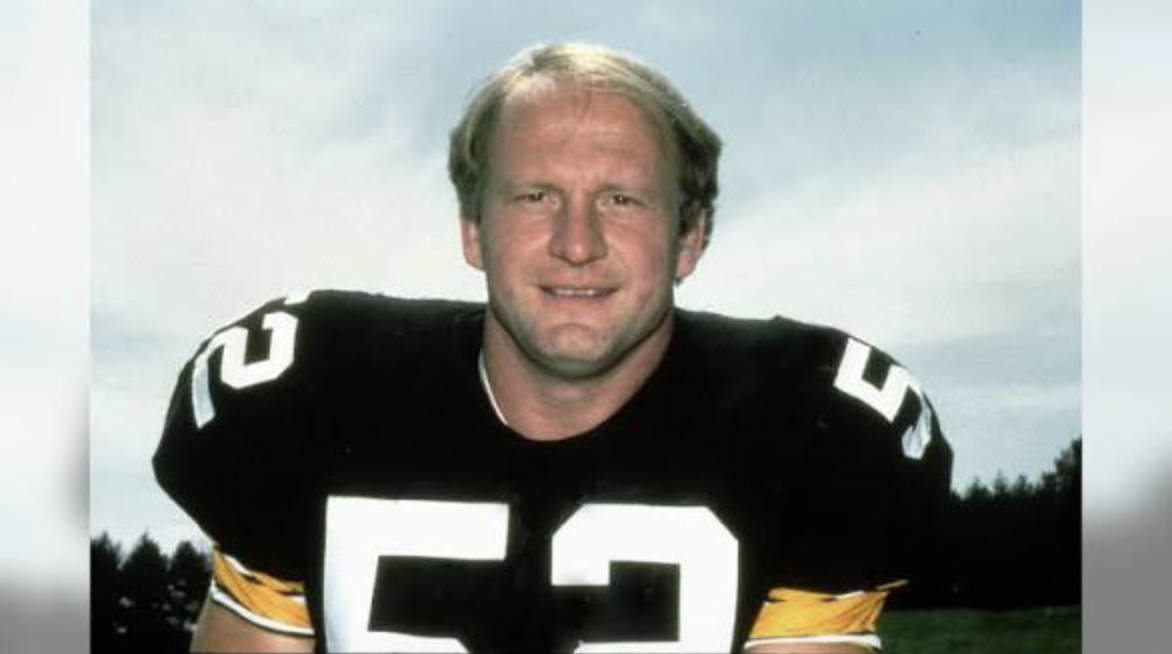
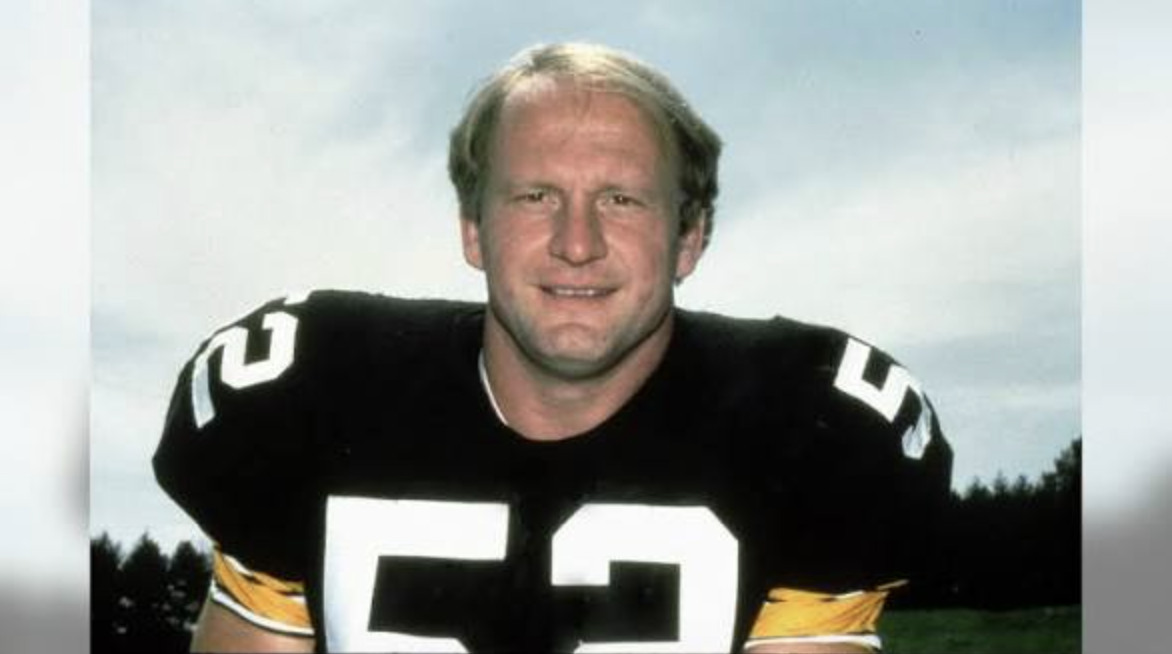
Mike Webster, known as "Iron Mike," during his NFL career with the Pittsburgh Steelers.
What started as a celebrated career of grit and toughness ended in mental collapse, wandering, and eventually death. Webster's case was among the first to alert the world to the dangers of chronic traumatic encephalopathy (CTE), a condition now recognized as a devastating consequence of repeated head trauma in contact sports.
In psychological terms, excessive sport—especially collision sport—can trigger cascades of neurological injury that alter emotion regulation, executive control, selfhood, and behavior. The extraordinary story of Webster helps us trace how repeated microtrauma to the brain can translate into depression, impulsivity, personality change, and suicidality.
The Fall of Iron Mike: More Than a Physical Decline
Mike Webster was known in the NFL as "Iron Mike," a moniker befitting a player who seemed almost impervious to injury. After seventeen seasons in the league, he left the game still admired for his durability, though already carrying the scars. But in retirement, Webster's life diverged sharply from the heroic script many athletes expect.
His personal history in those years reads like a catalogue of disintegration: memory lapses, confusion, mood swings, erratic behavior, homelessness, and financial ruin. That shift from celebrated athlete to a man plagued by psychological instability invites a question: What psychological transformations accompanied or followed his neurological decline? And what lessons does that hold for how we understand the impact of excessive sport?
When the Brain Becomes the Battleground
Chronic Traumatic Encephalopathy (CTE)
Definition: CTE is a progressive neurodegenerative disease caused by repeated head trauma. It is characterized by the accumulation of abnormal tau protein in the brain, leading to the death of brain cells.
Key Facts:
- CTE can only be definitively diagnosed postmortem through brain tissue analysis
- Symptoms may not appear until years or decades after the injuries occur
- The disease progresses over time, even after head trauma has stopped
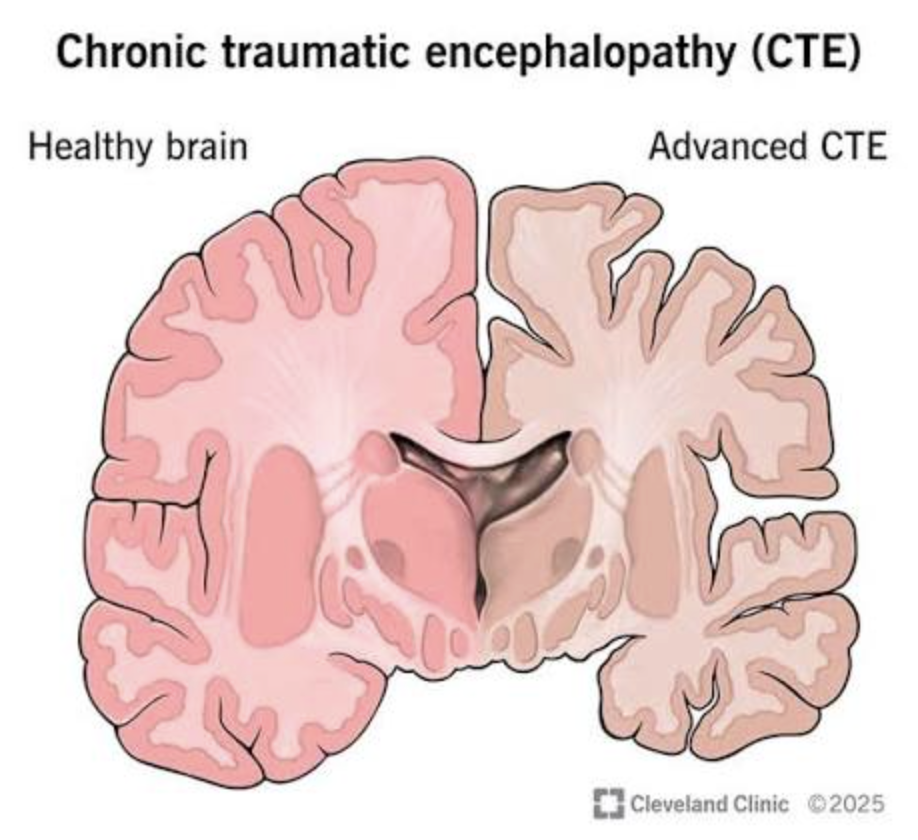
Comparison of a healthy brain (left) versus a brain with advanced CTE (right), showing significant tissue loss and deterioration. Image: Cleveland Clinic.
From the vantage of neuroscience and clinical psychology, the core of Webster's decline was in how his brain responded to repeated head trauma. Bennet Omalu, the pathologist who first studied Webster's brain, detected accumulations of abnormal tau protein—a signature of CTE. He also observed atrophy in brain regions responsible for emotion, memory, and self-control, particularly in the frontal and temporal lobes.
Clinical Symptoms of CTE
- Depression and anxiety
- Irritability and aggression
- Confusion and disorientation
- Suicidal thoughts and behaviors
- Impulse control problems
- Memory impairment
- Executive dysfunction
A 2020 review of long-term neurocognitive and mental health consequences of contact sports supports this connection. Though definitive diagnosis of CTE is only possible postmortem, many living retired athletes display behavioral and emotional patterns consistent with the pathology, including mood instability, executive dysfunction, and major depression.
The Supervisory Self
In psychological terms, damage to the circuits underlying inhibitory control, emotional regulation, and memory can erode what is sometimes called the "supervisory self"—the internal voice that restrains impulses, plans ahead, modulates emotion, and helps maintain coherent identity.
When that system begins to misfire, formerly disciplined people may find themselves adrift. In Webster's life, this manifested as impulsivity, sudden emotional shifts, confusion, and self-harm.
The brain becomes both a site of injury and the producer of psychological distress. In other words, the mental health symptoms are not only reactions to the physical damage—they are also a direct consequence of the structural and biochemical changes within the brain.
Identity Lost and the Psychological Void
Beyond the neurological damage, another layer to Webster's tragedy is psychological. It involves the collapse of identity. For decades, his self was anchored in being a player, a competitor, a warrior. When that role ended—and worse, when the brain began to betray him—he lost access to a core narrative of who he was.
Athletic Identity
In psychological theory, identity is built through consistent patterns of action, affiliation, and mastery. Athletes often develop a strong athletic identity, meaning they see their value and purpose through the lens of their sport.
When that identity is forcibly stripped away—especially when it is replaced by cognitive decline and loss of control—the disorientation can be profound.
Webster's increasingly erratic behaviors may reflect desperate attempts at reasserting control in a world that no longer made sense. Moreover, depression, hopelessness, and cognitive decline can weaken the sense of future orientation. The psychological horizon shrinks. Without the routines, goals, and community of sport, the brain-injured ex-athlete may feel stranded, isolated, and purposeless.
Mood, Impulse, and the Erosion of Emotional Stability
One of the most visible psychological consequences in Webster's life was the volatility of mood and impulse. Reports of mood swings, irritability, aggression, and suicidality in others diagnosed with CTE suggest that emotional regulation is among the most vulnerable functions affected by brain trauma.
The Neuroscience of Emotional Regulation
Emotional regulation depends heavily on the integration of prefrontal systems and subcortical circuits such as the amygdala. When these networks are disrupted, the brain loses the ability to exert control over reactive emotions.
This may help explain why previously composed individuals may become irritable, impulsive, or prone to anger or despair.
Additionally, damage to executive functioning—such as planning and inhibition—amplifies these problems. Individuals may find themselves overwhelmed by everyday decisions or unable to suppress inappropriate reactions. Webster's life in later years reflects these changes. His brain pathology likely eroded the mechanisms that once held his psychological equilibrium.
The Depth of Despair
A grim reality in contact sports research is the elevated risk of suicide in former professional athletes. Webster's case was one of the first to bring attention to this danger. His decline became a catalyst for scientific inquiry into the link between repeated brain injury and suicide.
"The person feels trapped in a failing mind, unable to process or hope. Cognitive distortions such as catastrophizing and self-blame intensify the suffering."
Psychologically, the combination of chronic depression and cognitive decline is particularly dangerous. Impulse control loss can make suicidal actions more likely in moments of distress. Moreover, when a person's ability to imagine the future is diminished, suicide may appear not as an escape but as the only option.
Webster's official cause of death was heart failure, but the years of decline leading up to it reflect a mind in crisis.
The Double Burden
Webster's story is not only about neurological damage. It is also about the psychological stress that emerges from that damage. These are two separate but overlapping forces. The trauma to the brain is the initial event. The mental anguish that follows is the second wave.
Understanding the Double Burden
In psychology, this kind of double burden is recognized in trauma research. The injury is not just physical. The person must grieve the loss of who they were. They must cope with the frustration of lost control. When the mind no longer behaves as expected, the self begins to dissolve.
This is why mental health care must be considered a central issue in sports—not just for those who get concussions, but for anyone whose brain is exposed to constant trauma.
What Science Tells Us
Key Research Findings
- A 2020 review published in Neurosurgery found that contact sports participants experience elevated rates of depression, cognitive impairment, and behavior change
- Studies have found a dose-response relationship between years played and the presence of CTE—each additional year in contact football increased the odds of developing the disease
- While diagnosis of CTE still requires postmortem confirmation, the clinical picture during life is becoming clearer
Although Mike Webster's case is extreme, it is not isolated. A growing body of research shows that repeated brain injury increases the risk of long-term psychological harm. Retired athletes often show patterns of behavior that match what we know about brain-based disorders: mood problems, confusion, impulsivity, and memory loss all point to the same underlying neurological insult.
Building a Better Future
If we accept that excessive sport can damage the brain and produce psychological harm, then we must also seek solutions. Psychology offers several clear avenues:
Pathways to Prevention and Healing
- Routine Mental Health Monitoring: Early intervention can reduce suffering and prevent severe outcomes among athletes
- Diversified Identity Development: Helping athletes develop multiple aspects of identity protects against collapse after retirement. When athletes know they are more than their sport, they have a foundation to stand on
- Normalized Psychological Support: Therapy and psychological support should be normalized in sport culture, including counseling and cognitive rehabilitation
- Reduced Trauma Exposure: Changing practice habits and rules can lower the risk of brain injury
- Public Awareness and Destigmatization: When athletes are not ashamed to talk about their mental health, they are more likely to seek help
The Legacy of a Fallen Hero
Mike Webster's life is a cautionary tale. His greatness on the field was matched by the devastation he experienced off it. What we learn from his story should not be confined to football. It should resonate in all areas of society that ask too much of the body without caring enough for the mind.
Psychologically, Webster's decline reflects the breakdown of a system that failed to protect him. His fall was not simply a personal tragedy. It was a mirror held up to a culture that glorifies toughness but forgets the cost.
By understanding the psychological impact of excessive sport, we can honor his legacy not only by remembering his victories, but by doing better for those who follow.
References
- McKee, A. C., et al. (2009). Chronic traumatic encephalopathy in athletes: Progressive tauopathy after repetitive head injury. Journal of Neuropathology & Experimental Neurology.
- Mez, J., et al. (2017). Clinicopathological evaluation of chronic traumatic encephalopathy in players of American football. Journal of the American Medical Association.
- Solomon, G. S., & Zuckerman, S. L. (2020). Long-term neurocognitive and psychological outcomes following sport-related concussion. Neurosurgery Clinics of North America.
- Omalu, B. (2014). Truth Doesn't Have a Side: My Alarming Discovery About the Danger of Contact Sports. HarperOne.
- Frontline PBS. (2013). League of Denial: The NFL's Concussion Crisis.