Introduction: The Dream of a Better Self
Have you ever dreamed of a better version of yourself? Younger. More beautiful. More perfect. What if there were a drug that could create that version of you?
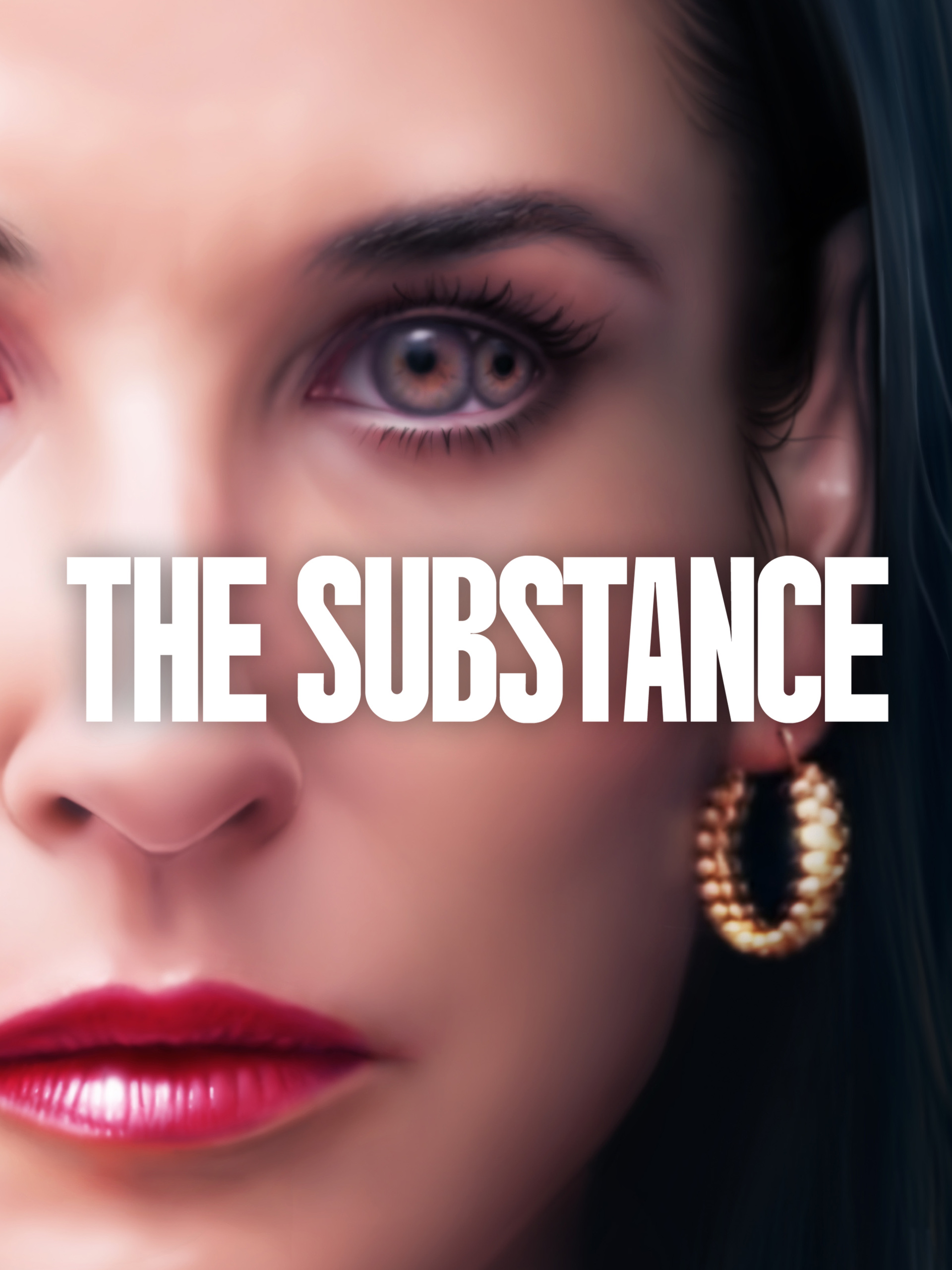
That is the premise of The Substance. Marketed as a feminist body horror film, The Substance examines the impossible standards of beauty imposed on women—the relentless internalization of these ideals that erode self-worth, and the media-driven cycle of psychological devastation they sustain.
Content Warning
This article discusses themes of body horror, self-harm, ageism, and psychological distress depicted in the film.
The film exposes the interplay between societal expectations and personal destruction, revealing how the pursuit of an impossible ideal can consume everything we are.
Internalized Ageism and Beauty Standards
Director Coralie Fargeat delivers an unflinching portrayal of aging and toxic beauty ideals through grotesque, somber, and morbid depictions of blood, mutilation, and self-destruction.
The Psychology of Internalized Ageism
Internalized ageism occurs when individuals absorb society's negative stereotypes about aging and apply them to themselves. This leads to:
- Diminished self-worth tied to physical appearance
- Fear and denial of the natural aging process
- Desperate attempts to reclaim youth at any cost
- Self-destructive behaviors justified by beauty standards
Unlike traditional psychological films, The Substance follows Elisabeth Sparkle's descent into obsession as she clings to the illusion of youth through a black-market drug aptly named "The Substance." Blind to its consequences, her desperation to reclaim her former self outweighs her concern for her own well-being.
The Addiction to Perfection and Fractured Identity
Elisabeth Sparkle's descent is not merely a character arc but a manifesto against one of modern society's deepest addictions: the pursuit of perfection.
The Ritual of Self-Annihilation
The Substance does not promise youth; it promises annihilation of the imperfect self. Each syringe becomes a ritual sacrifice. Like any drug, the first dose is euphoric—Sue emerges radiant, untouched by age.
But addiction escalates. Seven days are no longer enough. Then seventy hours. The body becomes a battleground between two selves, each consuming the other in a desperate bid for existence.
Elisabeth's journey mirrors the experience of countless women who believe that one more procedure, one more diet, one more transformation will finally make them "enough." Her final grotesque performance is not just horror—it is the inevitable scream of every woman broken by a mold designed to shatter her.
The True Horror of Coralie Fargeat's Vision
What Fargeat unveils is more terrifying than any supernatural thriller: the inescapable horror of self-awareness. Not the kind that lurks in shadows, but the one that festers in daylight—in the bathroom mirror.
The Terror of Reflection
The terror is not ghosts but the realization that we will never be enough in a culture demanding perpetual perfection. The infamous makeup scene, where Elisabeth Sparkle prepares for a date, captures this unraveling perfectly.
A fleeting hope of joy collapses when she sees her reflection—not as she wishes to be, but as she fears she is. The mirror becomes an instrument of torture, reflecting back every perceived flaw society has taught her to despise.
The Legacy of Destruction
The Substance does not end with Elisabeth's death, but with her legacy. Her cracked star on the Hollywood Walk of Fame is not just a grave marker but a warning.
A Warning Etched in Stone
The true horror is not the creature she became, but the recognition that we all know a version of her. Perhaps it is:
- A friend who cannot leave the house without filters
- A colleague addicted to cosmetic "tweaks"
- The voice within that whispers "not enough" at the mirror
The Brutal Truth
The film forces a brutal truth: beauty standards are not aspirations—they are weapons. They are designed not to be achieved but to perpetuate an endless cycle of inadequacy, consumption, and self-destruction.
The Substance asks us to confront what we sacrifice on the altar of perfection—and whether any transformation is worth the annihilation of the self we were meant to be.